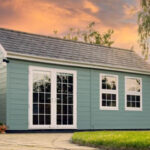
Granny flats exemption

The granny flats building consent exemption will commence on 15 January 2026.

The granny flats building consent exemption allows small standalone dwellings up to 70 square metres in size to be built without a building consent if: 

  • it has a simple design and meets the Building Code 
  • homeowners apply for a PIM before they commence building and notify their local council once construction is completed 
  • the work is carried out or supervised by licensed building professionals 
  • all exemption conditions are met 
  • all building work under the exemption must comply with the New Zealand Building Code. 

Deciding if the granny flats exemption is right for you

As a homeowner, you have a choice when building a granny flat. You can use the granny flats exemption or follow the standard building consent process. Use this checklist to help decide whether your project is more suited to the granny flats exemption or the standard building consent process. Each option has its own advantages and limitations. The right choice depends on your design, materials, timeframe, and how much flexibility or certainty you need.

  • your dwelling is new, single-storey, standalone, self-contained and 70 square metres or less
  • you’re using lightweight construction materials (eg timber or steel framing)
  • you want to start building quickly and complete the build faster without waiting for formal consent approval or council inspections
  • you’re looking to reduce upfront costs, such as consent fees
  • you’re comfortable with a simplified process that involves less paperwork and fewer inspections
  • you’re building for residential use, such as multigenerational living
  • you understand that licensed building professionals (LBPs) must still carry out or supervise all restricted building work
  • you’re happy to apply for a project information memorandum (PIM) before any construction has commenced and notify the council after construction is complete
  • your design is straightforward and unlikely to change beyond the scope of the granny flats exemption conditions during construction.
  • your design is larger than 70 square metres, multi-storey or includes complex features your project is an alteration to an existing building or building work is already underway
  • your project is on land that is likely to be subject to a natural hazard and this cannot be mitigated as required by the exemption conditions
  • you want to use heavier or more complex materials, such as panelised construction or structural steel 
  • you need the ability to include features like level-entry showers or a solid fuel heater
  • you prefer the legal certainty of having a formal record of approval for insurance, resale or future renovations
  • you’re comfortable with a longer timeframe to get formal approval before starting construction
  • you want to ensure your project is fully inspected, documented and supported by council oversight.

If you’re considering using the granny flats exemption, make sure you read all sections of the MBIE guidance to understand what’s required and how to meet your responsibilities.

PIM Application & Record of work forms

MBIE Guidance for Granny flats exemptions

Guidance from MBIE is available here: Granny Flats exemption guidance and resources 

  • The guidance explains the conditions for using the exemption and what qualifies as a granny flat. 
  • It sets out the steps to follow at each stage of the build and outlines the roles and responsibilities of homeowners, licensed building professionals, and councils. 
  • It also includes practical checklists, templates, and links to resources to explain the exemption conditions and how to comply with them. 

Step-by-Step guide: Plan a Granny flat 

Homeowner Fact sheet for granny flats exemption

Step-by-step guide: Complete a granny flat 

 Checklists:  

Step-by -step guide: Design a Granny flat 

Step-by -step guide: Complete a granny flat